






















Best Pergolas For Windy Gardens In The UK
British gardens are no strangers to a strong gust, especially in coastal towns or exposed countryside. For anyone living in these areas, choosing the right pergola can feel less like a design choice and more like a necessity. Pergolas have surged in popularity across the UK, with searches for outdoor structures surging by over 200% in the past few years. As more homeowners look for ways to enjoy their gardens year-round, entertaining friends, dining outside, or carving out a quiet corner to enjoy a coffee, the focus has shifted from simple shade to fortified structures that can cope with unpredictable conditions.
So, where do you start if your garden is on the breezy side? We'll walk you through the features that matter most and the Harbour Lifestyle designs that are built to take on the challenge.
Understanding wind zones in the UK
If your garden catches the breeze more than most, you're not alone. Some parts of the UK experience breezes as a feature, not a flaw. Scotland sits at the top for windiness in Europe. Islands such as Shetland, Orkney and the Western Isles regularly record annual average wind speeds of around 14 knots - among the highest in Britain. Meanwhile, the western and northern coasts, including highlands and open moors, face stronger gusts due to their exposure to prevailing south-westerly winds. Even in the south-west, especially along exposed coasts like Devon and Cornwall, gale-force winds occur around 24 days a year. Inland, sheltered valleys see far fewer but still experience occasional wind events.
All this means that whether you live along the seaside, on a rolling moor, or simply out in the open, your pergola needs to be ready, not just for the sun, but for serious wind too.
Are pergolas wind resistant?
A pergola's ability to withstand wind heavily depends on materials, design and how well it's anchored into the ground. A well-designed, properly installed pergola can handle strong gusts, but a basic, lightweight model may struggle in exposed conditions.
Aluminium and steel frames tend to perform best in high winds, with many tested to withstand gusts of 70–120 mph when professionally installed. Wooden pergolas, while full of natural warmth and charm, are usually more comfortable in moderate conditions, typically holding up to 50–70 mph depending on the quality of the timber and how well it's maintained.
What makes a pergola more resistant to the wind?
-
Material: Aluminium, steel and fibreglass outperform wood and vinyl when the weather turns wild.
-
Roof design: Louvred roofs that can be tilted or left open reduce pressure by letting air pass through.
-
Frame reinforcement: Thicker posts and added cross-bracing increase stability.
-
Anchoring: Fixing posts into concrete foundations with heavy-duty fasteners is essential in exposed gardens.
Even if you don't live by the sea, wind resistance still matters. The Met Office records around 6-7 named storms each year in the UK on average, with gusts frequently topping 60 mph. Offering peace of mind, a wind-proof pergola helps your investment last longer, shields your outdoor space from damage and provides effective wind protection so you can keep enjoying your garden in the autumn and winter months.
Features that can make a pergola wind resistant
A pergola is only as resilient as the choices behind its design. When wind picks up, it's the roof-type, frame, anchoring and materials that determine whether the structure stands steady or struggles.
Pergola roof types and wind resistance
Fixed roof pergolas
Solid roofs, whether made from aluminium sheets or polycarbonate panels, provide reliable shelter, but also create a surface that wind can push against. In exposed gardens, this means the frame and anchoring must be particularly robust. When properly installed, fixed roofs perform well in moderate to strong winds, but without reinforcement, they risk acting like a sail, creating wind load that can pose risks like wind uplift, effectively lifting the roof panels off the structure.
Louvred roof pergolas

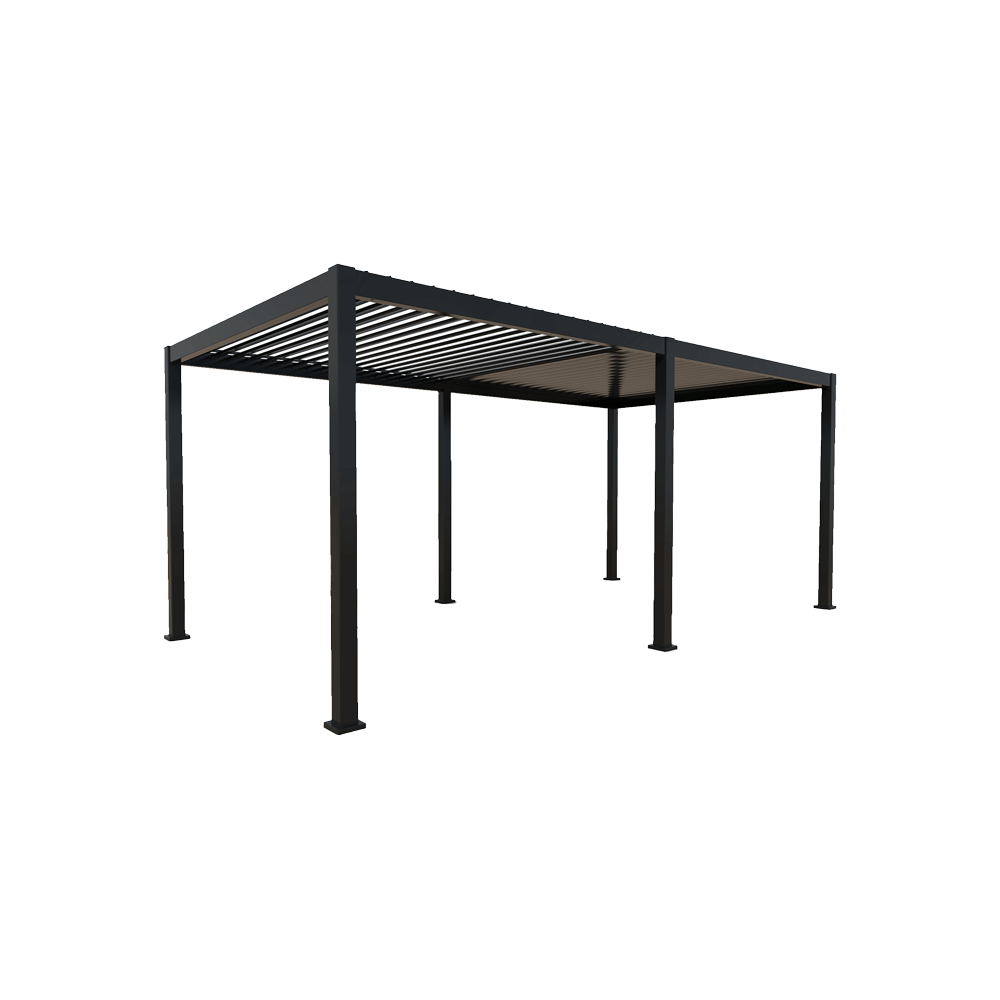
Modern pergolas with adjustable louvres are one of the best solutions for breezy gardens. By tilting the slats open, air can pass through instead of building pressure on the structure and reducing overall resistance. Designed to handle high winds, leaving louvres partially open can ease strain on the frame during storms.
Retractable roof pergolas

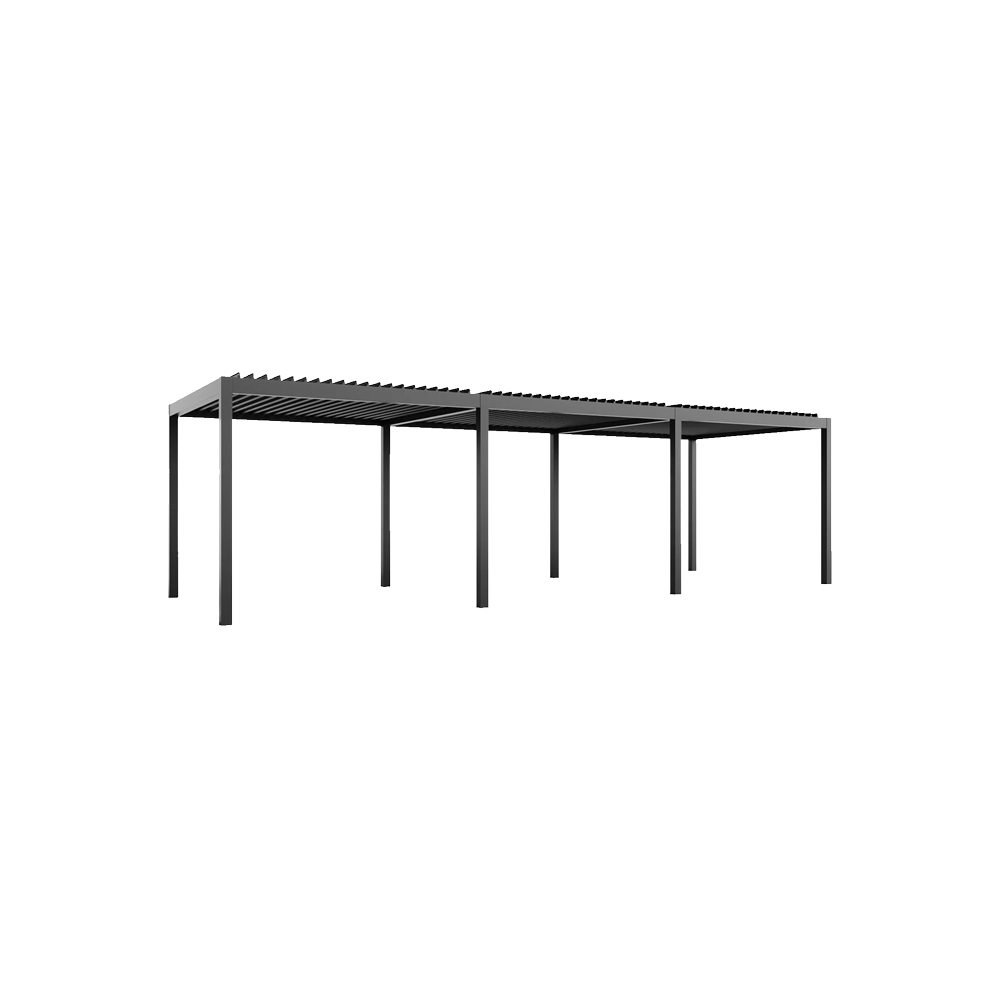
Abierto Motorised 3m x 4m Frame Only Pergola with Retractable Roof and LED Lighting in Grey
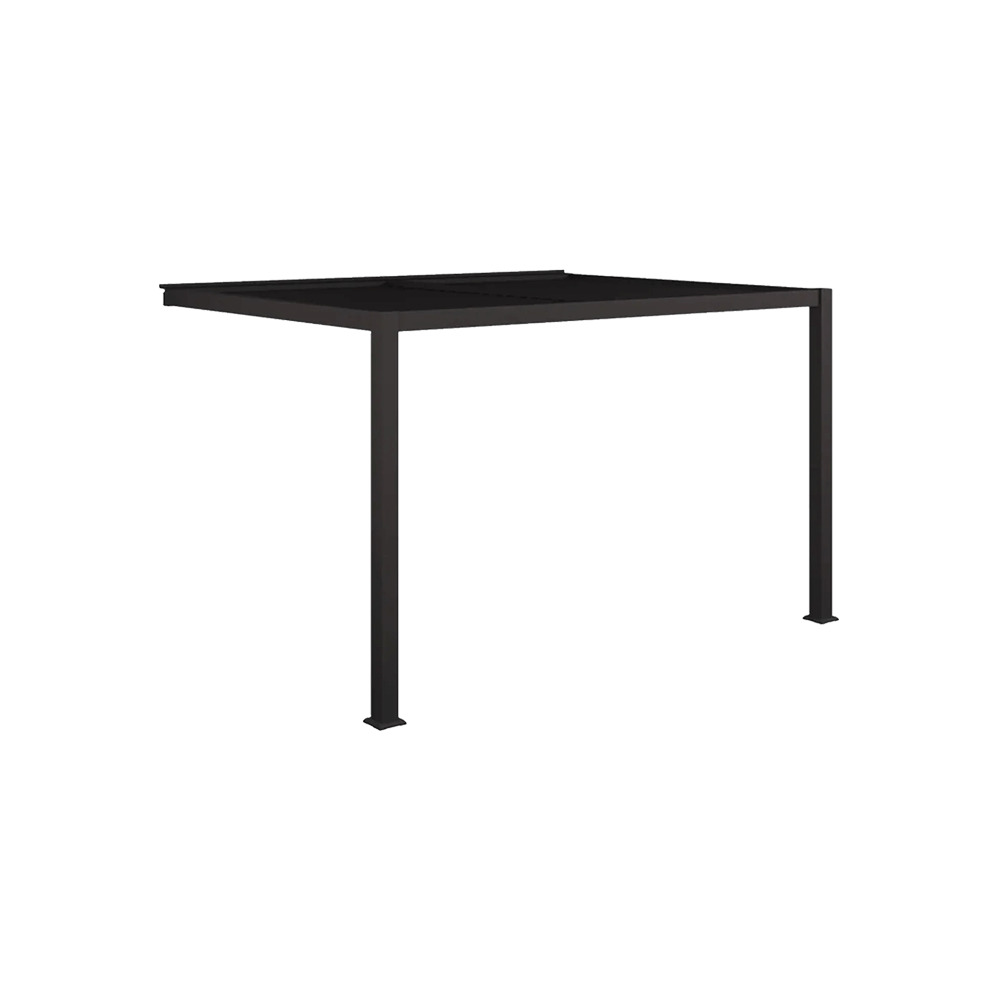
Fabric canopies are popular for their flexibility and soft aesthetic, but are the least suitable option for strong winds. Even weatherproof textiles are vulnerable to tearing under pressure. Aluminium retractable systems with integrated wind sensors provide better protection, as the canopy can be pulled back automatically when gusts pick up. For open or coastal gardens, retractable work best when paired with other reinforcement.
If you're weighing alternatives, Awning vs pergola: which is better for your garden? explains where each option shines.
Pergola design features for wind resistance
Beyond the roof, small details in the frame and foundations make a significant difference to how a pergola copes with gales.
Drop-down blinds
Adding drop-down blinds to a pergola creates an effective windbreak that shields the space without fully enclosing it. The most durable options are made from heavy-duty outdoor fabrics such as textilene or acrylic mesh, which resist fraying and allow air to filter through while reducing gust pressure. Look for blinds with heat-sealed or weighted bottoms to minimise flapping and choose systems that fit neatly within the pergola frame for extra stability. A three-sided configuration offers flexible shelter from crosswinds and can be rolled up when conditions are calm.
Weighted bases

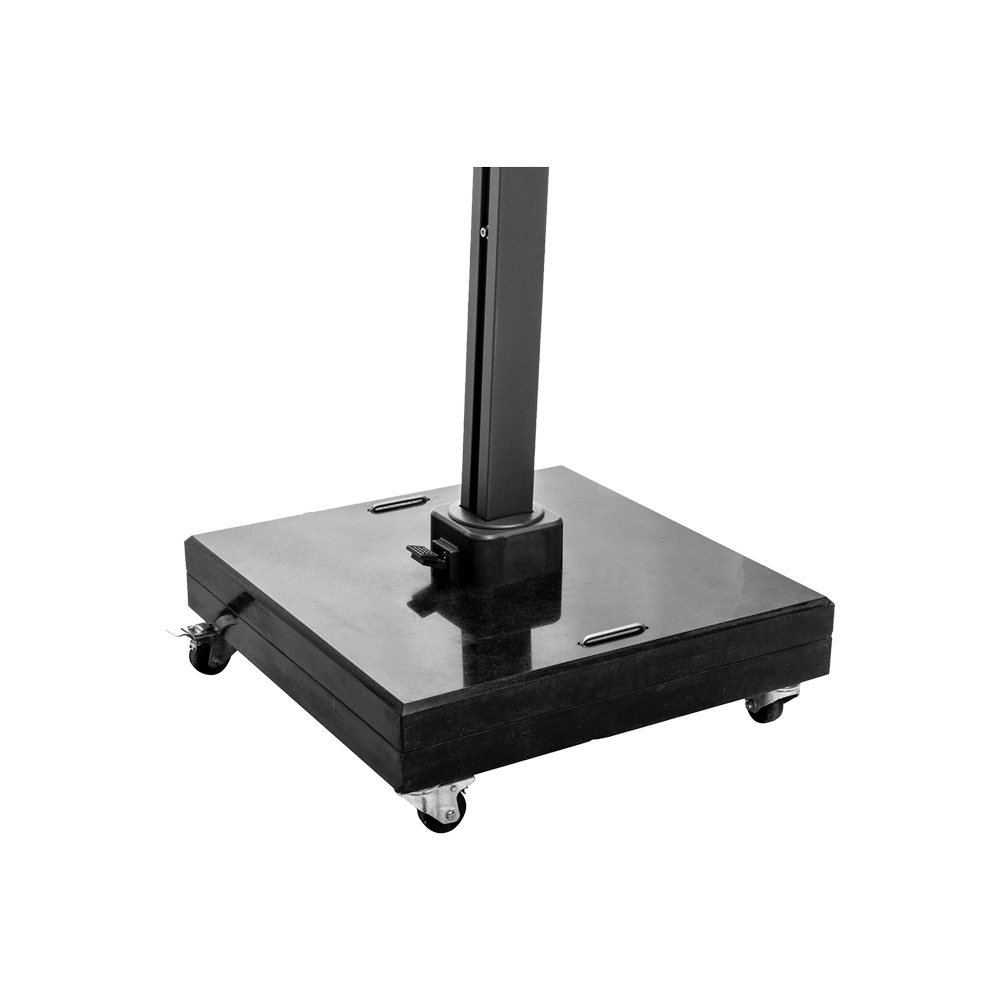
A pergola that's bolted into a concrete foundation or fitted with integrated weights is far less likely to shift. In freestanding models, adding ballast plates or filling hollow legs with concrete can help increase stability.
Reinforced frames

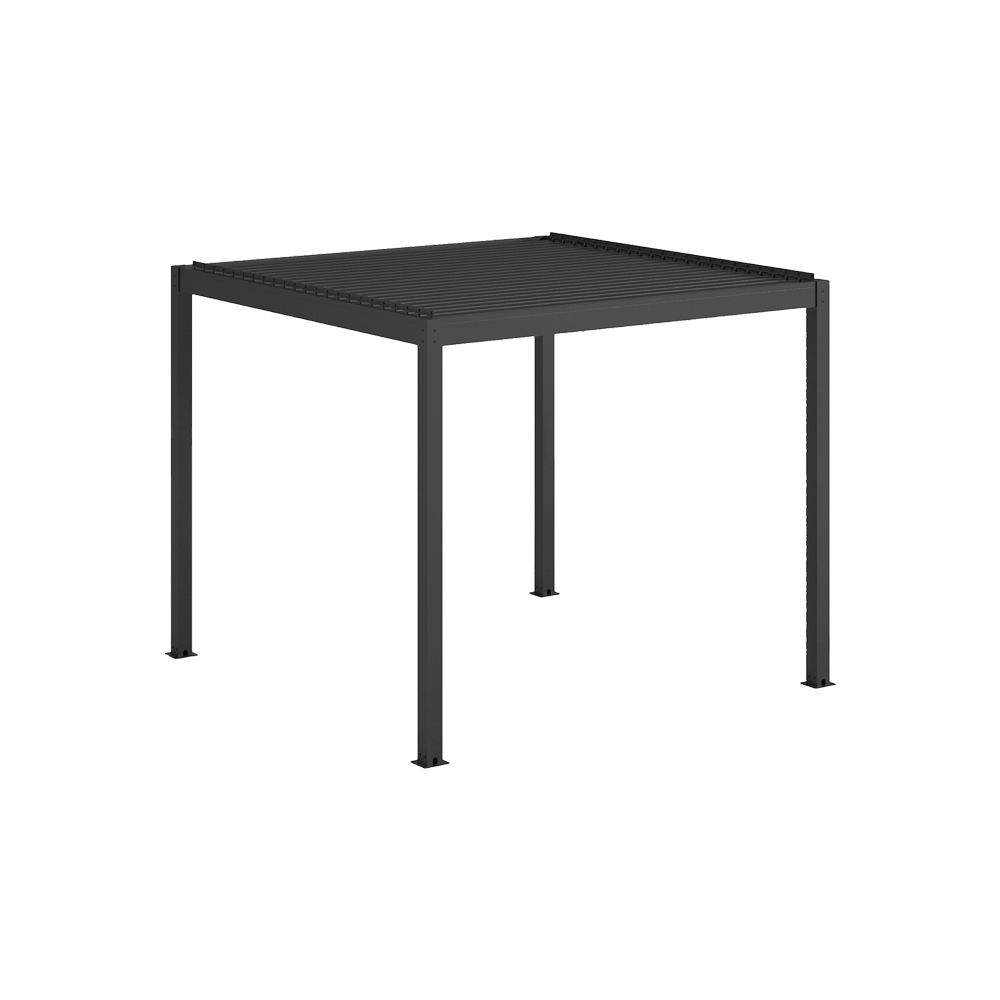
PergoSTET Plus 3m x 3m Square Pergola with 3 Manual Side Blinds and LED Lighting in Grey
Thicker posts, cross-bracing and corner reinforcements give the pergola backbone. These design features spread the pressure of wind across the whole structure, reducing the risk of side-to-side movement and bending. Many premium aluminium pergolas include hidden reinforcements within their designs as standard.
Pergola materials and wind resistance
Aluminium
Lightweight yet strong, naturally resistant to rust and designed to be reinforced with powder-coated finishes, aluminium has become a leading choice for windy locations. Many high-end aluminium pergolas are rated to withstand 75–120 mph winds when professionally anchored, making them one of the most reliable options for coastal or exposed sites where gusts are common.
Wood

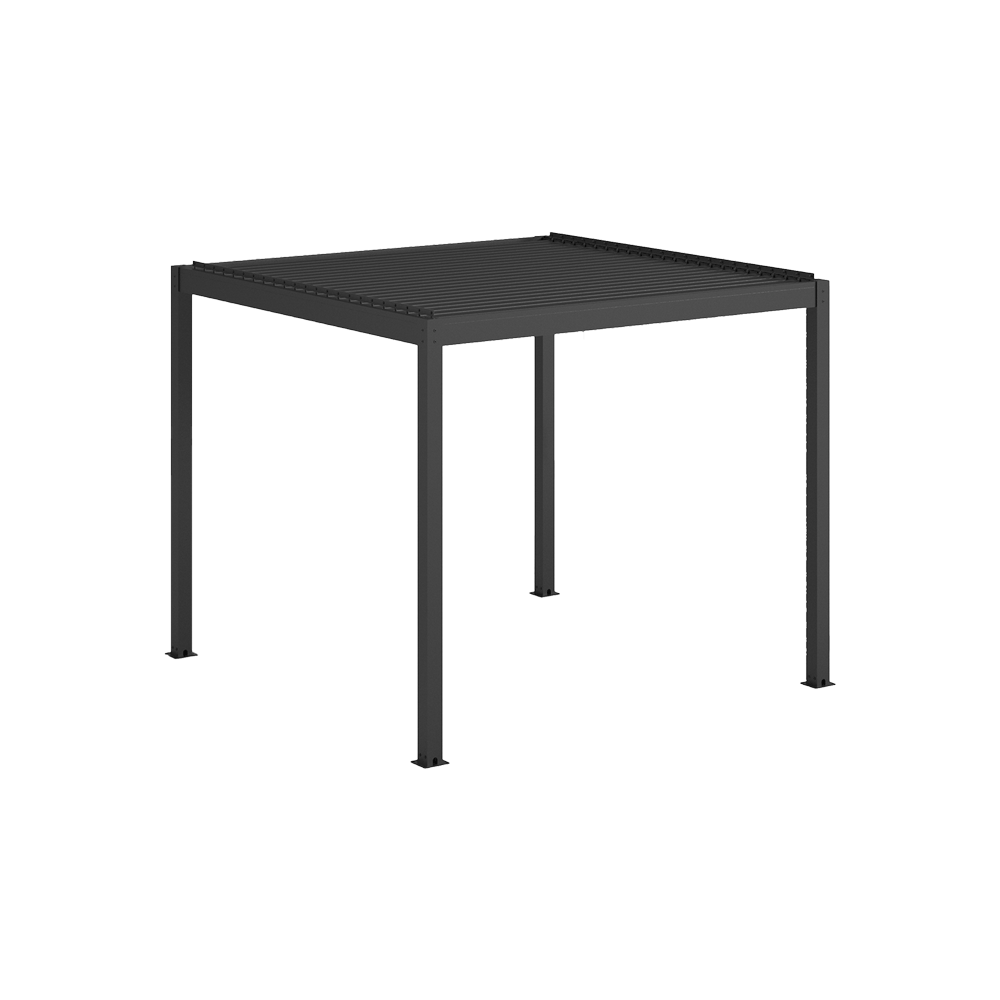
PergoSTET Plus 3m x 4m Rectangular Pergola with 3 Manual Side Blinds and LED Lighting in Wood Effect
Wood offers natural warmth and blends beautifully into gardens, but it is less dependable in strong winds. Even hardwoods like oak and teak typically handle 50–70 mph before showing signs of strain, and regular treatment is essential to prevent rot, cracks and weakening over time. In windy settings, wooden pergolas typically need additional reinforcements or sheltered placement to stay stable.
At a glance: Wind performance by pergola type
Feature / material |
Wind performance |
Best setting |
Notes |
Fixed roof |
Moderate to strong |
Suburban or sheltered gardens |
Needs heavy foundations to avoid acting like a sail in gusts |
Louvred roof |
Strong (70–120 mph) |
Coastal or exposed countryside plots |
Open slats reduce wind pressure, making it the most flexible choice in windy areas |
Retractable fabric |
Low to moderate |
Sheltered patios or urban courtyards |
Vulnerable in storms; best with wind sensors and a retraction system |
Polycarbonate panels |
Moderate |
Smaller gardens /mixed weather areas |
Light and bright, but heavily relies on the pergola frame and anchoring for stability |
Aluminium frame |
High |
Coastal, exposed, or modern gardens |
Rust resistant, long-lasting, strong yet lightweight |
Wooden frame |
Lower |
Traditional or rustic gardens |
A classic and rustic choice, wooden frames are weaker in wind and require regular treatment |
Best pergolas for windy areas
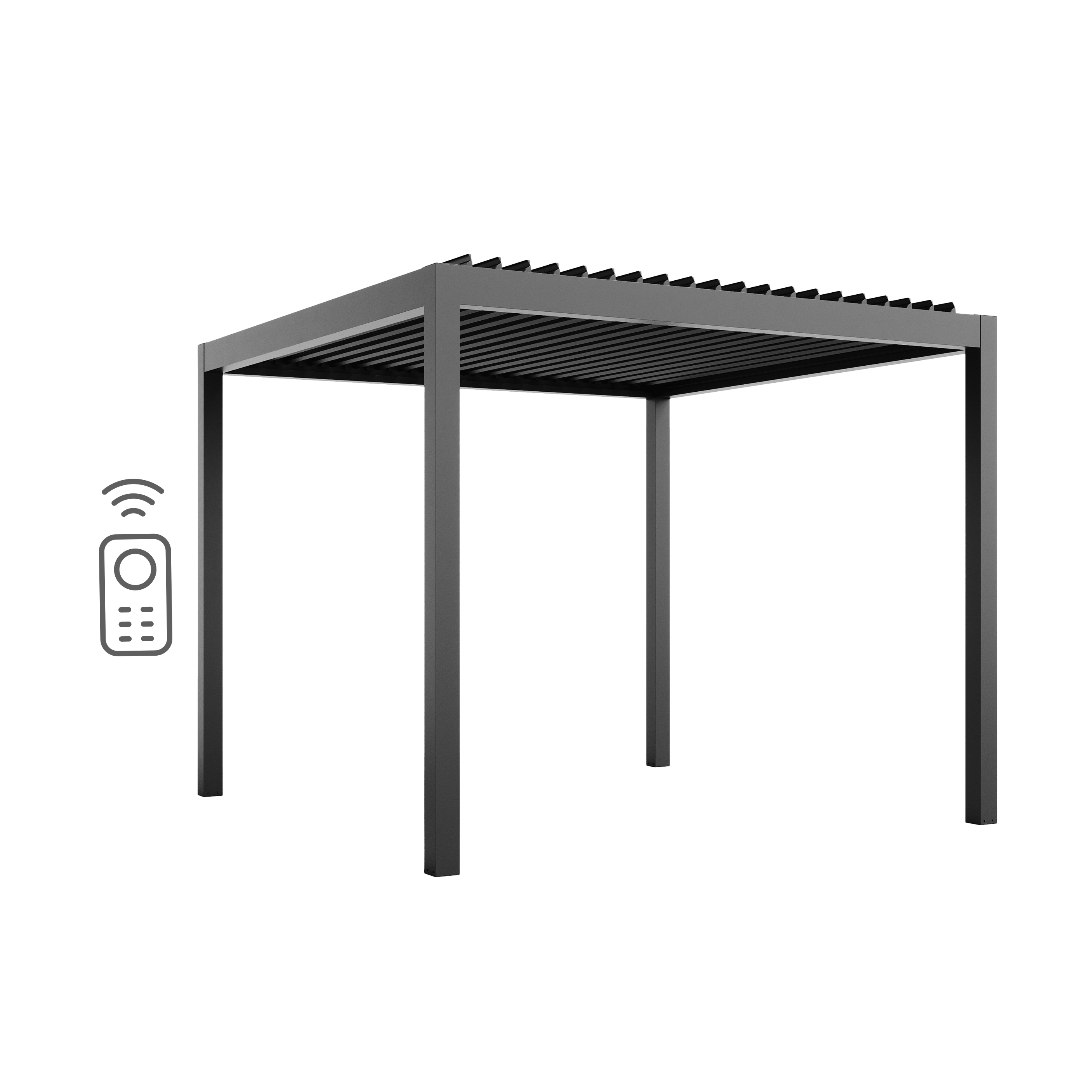
Harbour's PergoSTET collection is designed to handle the unpredictability of British weather, with reinforced aluminium frames, integrated drainage and clever louvre systems that ease the strain of the wind. Compact but packed with detail, the PergoSTET Plus offers strength and flexibility for smaller to mid-sized gardens. The powder-coated aluminium frame resists corrosion from salt and rain, while its tilting louvres allow you to open up for airflow or close tight for protection.
Integrated textilene blinds reduce movement when a breeze strikes and add privacy when you want it. Additional features include a built-in drainage system that channels rainwater neatly through the frame, preventing pooling even in a downpour, and dimmable LED lighting creates your desired atmosphere for evenings outdoors at the touch of a remote.

Luna Outdoor Fabric Corner Sofa Set with Firepit Coffee Table in Grey
Why it suits windy settings:
-
Inset blinds resist flapping
-
Double-layered louvres ease wind pressure
-
The reinforced frame anchors securely into concrete for year-round safety and peace of mind

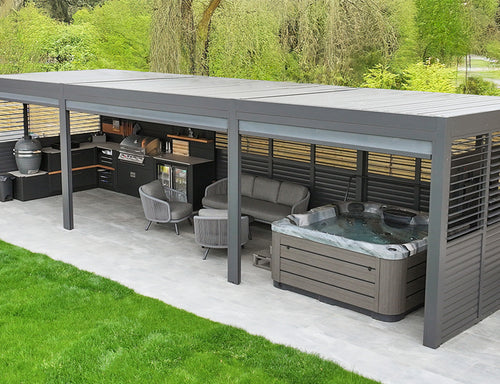
For larger gardens or statement terraces, the PergoSTET Deluxe takes performance a step further. Prioritising convenience, its automated, adjustable louvres allow you to respond instantly to changing conditions, while integrated LED lighting creates customisable ambience after dark. A discreet drainage system efficiently directs rainwater through concealed gutters within the pergola legs, preserving its clean and refined aesthetic. Panelled louvred sides and manual side blinds add privacy and block crosswinds, creating a calm retreat even when the weather turns.
Why it suits windy settings:
-
Automated louvres can be opened to let air pass through in high winds
-
The reinforced frame stays steady under pressure
-
Optional side blinds give extra control over exposure
How to make a pergola windproof: Tips to protect your pergola in high winds
Even the strongest pergola needs a helping hand when the weather turns wild. By combining good installation with a few simple habits, you can make sure your structure feels safe to enjoy 365 days of the year.
Consider the setting
Coastal homes need frames that resist corrosion, such as powder-coated aluminium, while countryside gardens often benefit from reinforced posts that can handle stronger gusts across open land. Even city terraces can be prone to winds, so understanding your garden's exposure is crucial.
Anchor it properly
A pergola is only as secure as its base. Fixing posts into concrete footings with professional fittings gives lasting stability, while surface weights or bolts into paving slabs often fall short. For exposed gardens, reinforced anchoring is non-negotiable.
Adjust the roof
If your pergola has a louvred or retractable system, use it to your advantage. Simple steps, such as leaving louvres partly open to reduce strain on the frame and rolling back retractable fabric canopies, make a big difference when gusts pick up.
Protect the sides
Side screens, blinds and panels give privacy and shade, but they can also catch the wind. Roll them up during high winds to prevent unnecessary movement or damage.
Keep up with maintenance
A quick seasonal check keeps your pergola in top shape. Tighten any fittings, clear leaves from gutters and ensure drainage channels are clear. A well-maintained pergola is much better prepared to withstand sudden gusts than one with loose or worn components.
For step-by-step care, bookmark our Pergola maintenance guide: How to care for your pergola.
Know the limits
Wind resistance depends on the model, material and installation. As a guide:
-
Aluminium pergolas: typically withstand 75–90 mph, with premium models testing up to 120 mph.
-
Wooden pergolas: usually 50–70 mph, depending on build quality and treatment.
-
Steel frames: up to 120 mph in some cases.
Secure style and strength with the right pergola
Windy gardens don't need to be off-limits when you choose a pergola that pairs resilience with design. We've seen how roof types, anchoring methods and materials all affect wind resistance, and why aluminium with adjustable louvres often proves to be the most dependable choice. At Harbour Lifestyle, our aluminium pergolas are engineered for the realities of the British climate. Powder-coated finishes guard against rust and salt air, while reinforced frames keep everything steady when the gusts roll in. Clever louvre systems give you control, letting the wind slip through without compromising comfort beneath.
Whether you want a neat design for a smaller terrace or a statement structure with motorised panels and integrated lighting, the PergoSTET range offers solutions that feel tailored to every garden. Explore the collection to find a pergola that combines strength with elegance and gives you the confidence to enjoy your space year-round.
Transform windy gardens into sheltered sanctuaries with Harbour's aluminium pergolas.
FAQs
What is the best pergola for a windy UK garden?
A reinforced aluminium pergola with a louvred roof is the most reliable choice. Adjustable slats release wind pressure and powder-coated frames resist rust, keeping the structure stable and low-maintenance.
How much wind can a pergola withstand?
Quality aluminium or steel pergolas can withstand 75–120 mph winds when professionally anchored in concrete. Wooden designs handle around 50–70 mph, depending on timber quality and maintenance.
Are louvred pergolas good in high winds?
Yes. Louvred roofs let air pass through when the slats are left partially open, reducing uplift and frame strain. This makes them ideal for coastal or exposed gardens.
How should I secure a pergola in a windy garden?
Use deep concrete footings, heavy-duty bolts and reinforced posts. Wall-mounted models gain extra stability, while freestanding pergolas should never rely on surface weights alone.
Is aluminium better than wood for windy locations?
Aluminium is lighter, stronger and rust-resistant, making it far better for exposed gardens. Wood adds natural warmth but needs extra maintenance and reinforcement to stay secure.
What roof type is safest in strong winds?
Louvred roofs are safest because you can tilt the slats open to release pressure. Fixed or polycarbonate roofs can also work if the frame and anchoring are exceptionally strong.
How can I protect my pergola during storms?
Leave louvres partly open, retract fabric canopies, roll up side screens and check fittings before storms. Seasonal maintenance and clear drainage channels further improve wind resistance.